- Platter Newsletter
- Posts
- The Absorption Company's new supplement store
The Absorption Company's new supplement store
ChatGPT ads, a celebrity-founded store launch, and why retention still wins.

Cam Wind
January 29, 2026

It’s been one heck of a week.
TikTok is imploding, lots of earnings calls, record snowfall shutting down half the continent, and a steady stream of political noise.
Meanwhile, OpenAI is flirting with search ads, a celeb-backed supplement brand launched a new storefront with Platter, and our friends at Magnet Monster remind us that retention beats acquisition.
Action-packed issue. Let’s get into it.
BIG STORY THIS WEEK
Is ChatGPT becoming Search 2.0?
OpenAI is reportedly working out how much to charge for ads inside ChatGPT. Early pricing reported by The Information suggests CPMs around $60, which is well above what most advertisers are used to paying on social or streaming platforms. Unsurprisingly, the initial reaction has been negative.
But that reaction is largely a category error.
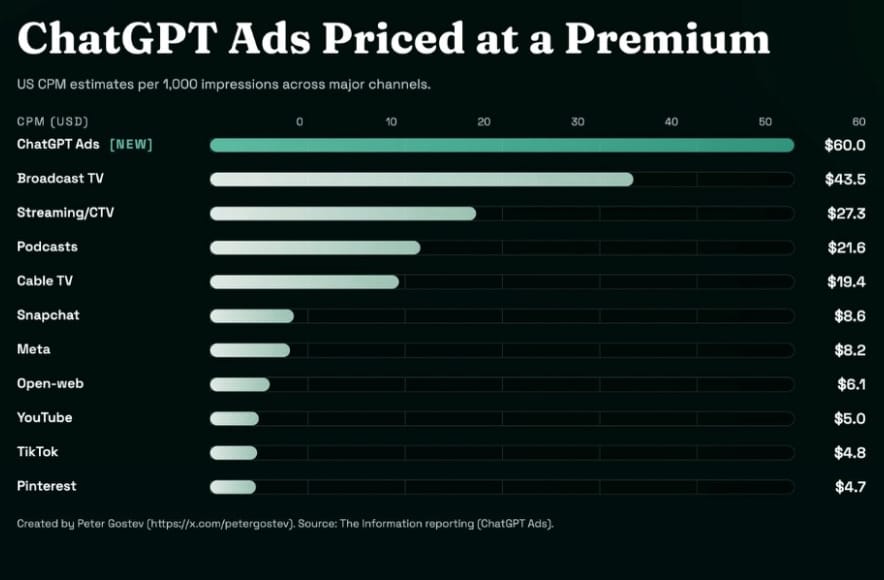
ChatGPT isn’t a broadcast channel. It’s not TV, podcasts, or pre-roll. It behaves much more like search, where users arrive with high intent. They’re asking questions, trying to make decisions, or looking for recommendations in real time. That kind of attention has always commanded a premium.
Pricing ChatGPT ads around or slightly above Google search CPMs makes sense. These aren’t simple keywords or ads blasted across screens. They’re contextual placements, appearing inside conversations that carry far more signal than a standalone query.
The real question isn’t whether ChatGPT ads are “too expensive.” It’s whether they perform like search 2.0. If they do, OpenAI isn’t competing with Meta or Netflix. It’s taking a real swing at Google’s most profitable business.
Source → The Information
STORE OF THE WEEK
The Absorption Company launches their new storefront
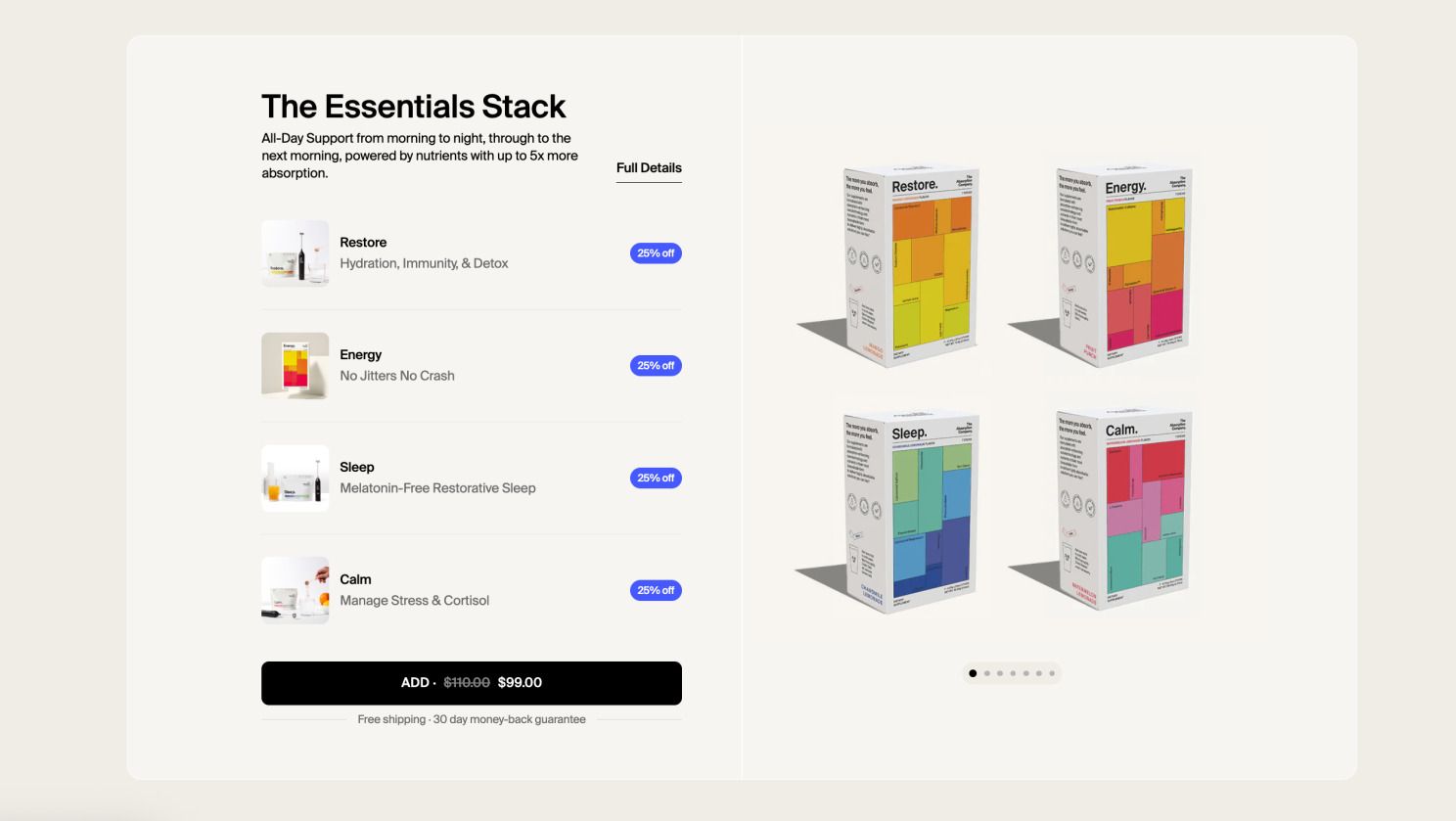
The Absorption Company, a celebrity-founded supplement brand focused on solving nutrient absorption, rolled out their newly rebuilt store last week.
At a high level, the goal was to complete the customer journey. Traffic was coming in, but too many visitors were leaving without fully understanding the core problem the brand solves (nutrient absorption), how the products work, or why they’re priced at a premium.
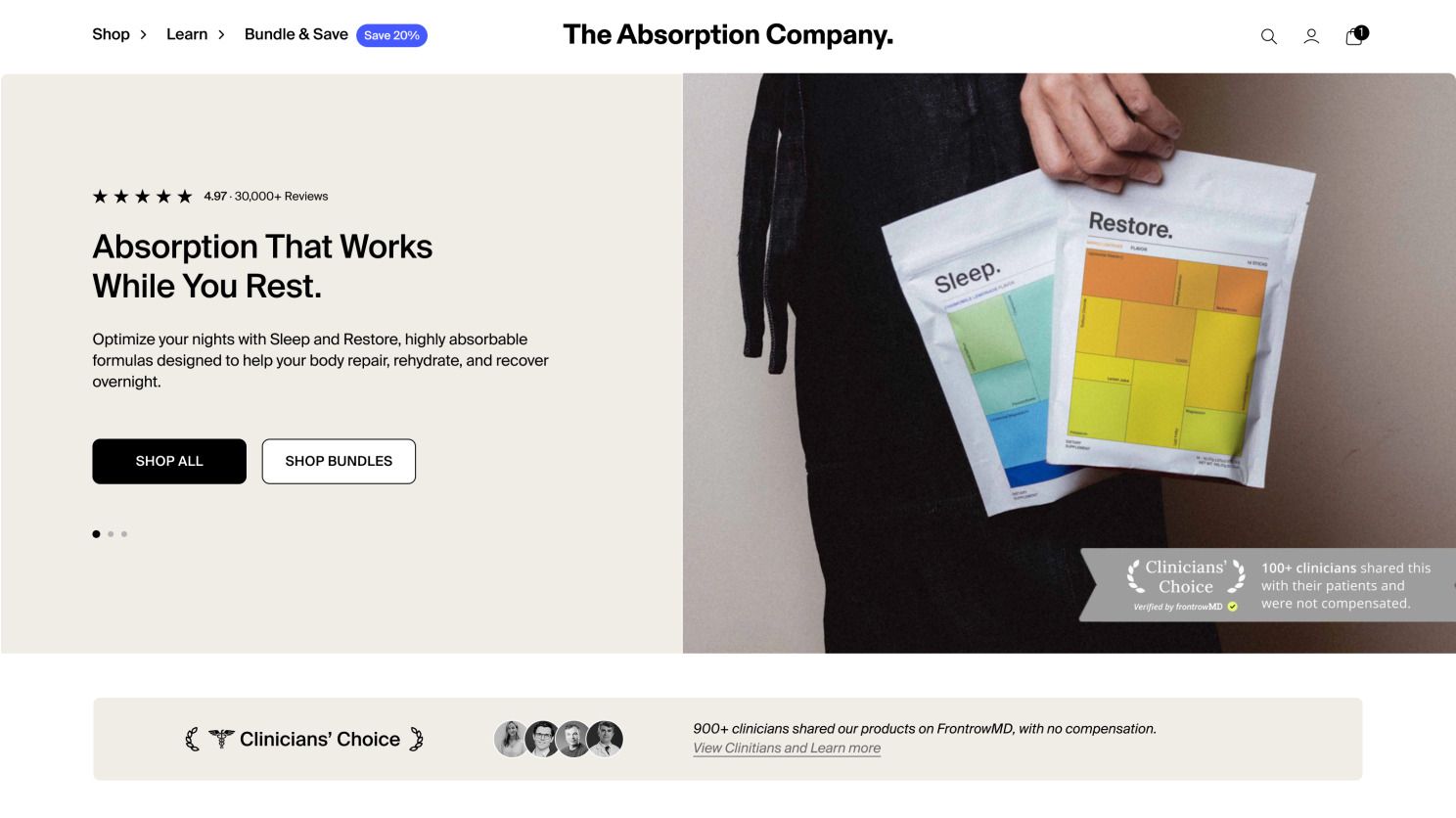
1. Completing the journey
The team wanted the storefront to clearly explain what absorption means, why it matters, and how their products fit together. Visitors arriving from paid ads should be able to justify the premium price point.
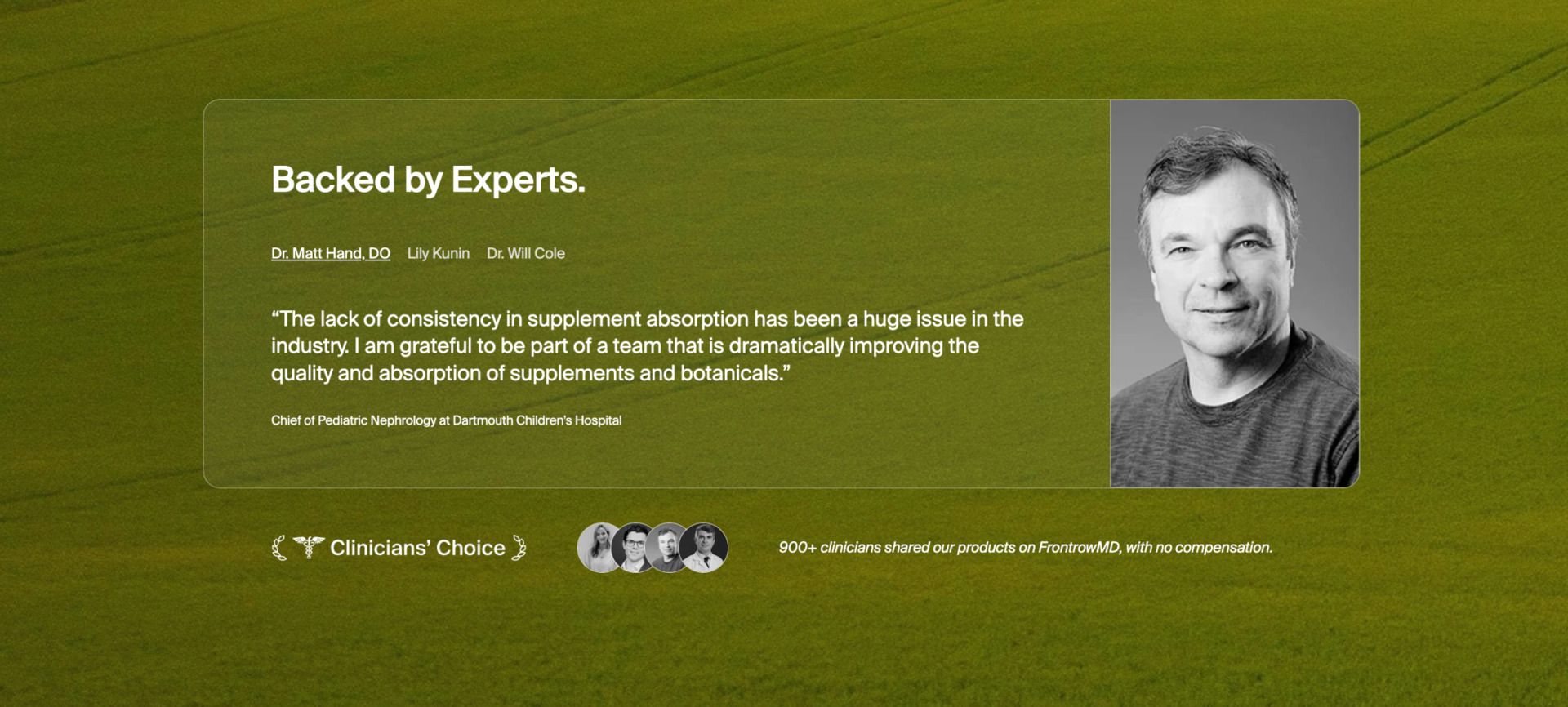
2. Improve CVR
With a strong baseline conversion rate, the goal was to double it by reducing confusion and helping customers make confident decisions.
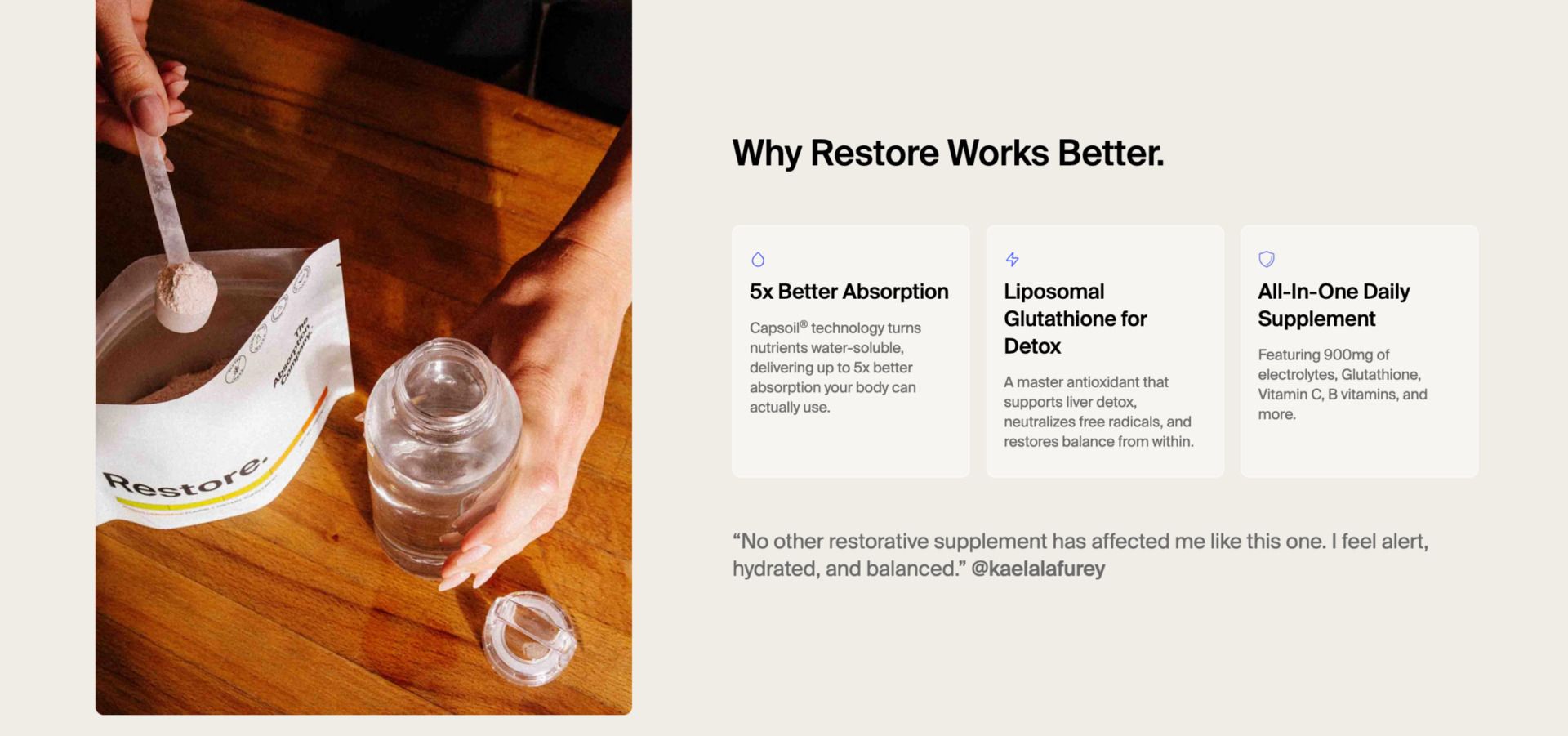
3. Increasing AOV
As they expanded into lower-priced single supplements, it became more important to guide customers toward bundles and “stacks” rather than one-off products.
4. Making the store easier to operate
The team also wanted a more modular system. One that allowed them to update content, launch new products, and support a growing innovation pipeline without relying on developers for every change.
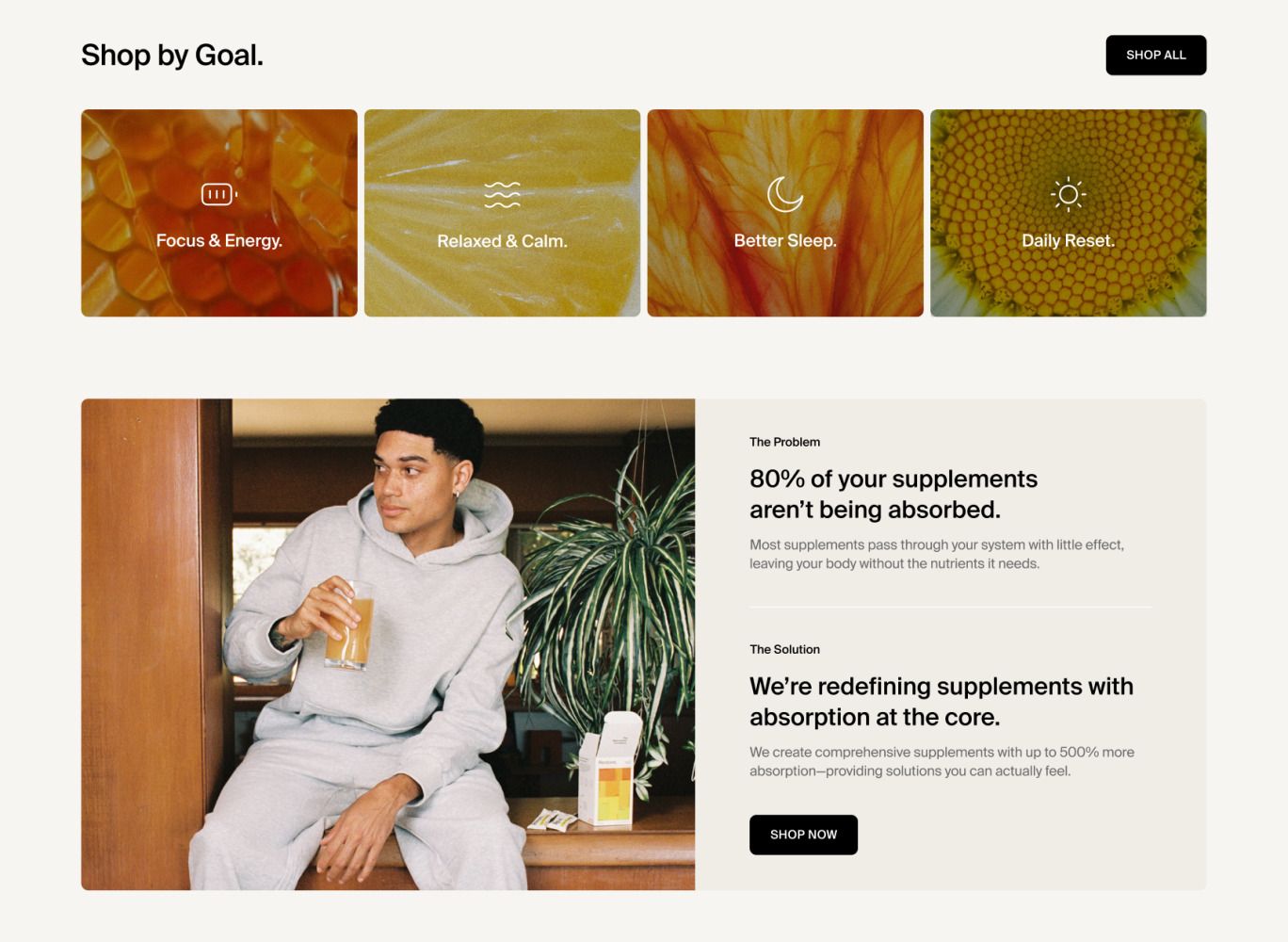
The design lands nicely between credible and approachable. Warmer visuals, cleaner structure, and just enough education to guide customers through the buying journey.
GUEST TAKE
Most brands don’t have a retention problem. They have a focus problem.
By Adam Kitchen, Founder of Magnet Monster.
Everybody assumes that in order to scale retention revenue, they need to acquire more customers and accelerate list growth.
That’s just not true.
I’ve spent the last seven years inside more than 1,000 Klaviyo accounts, and the pattern is remarkably consistent. Retention doesn’t stall because the opportunity isn’t there. It stalls because a few basic strategies aren’t executed consistently.
Increase email/SMS frequency
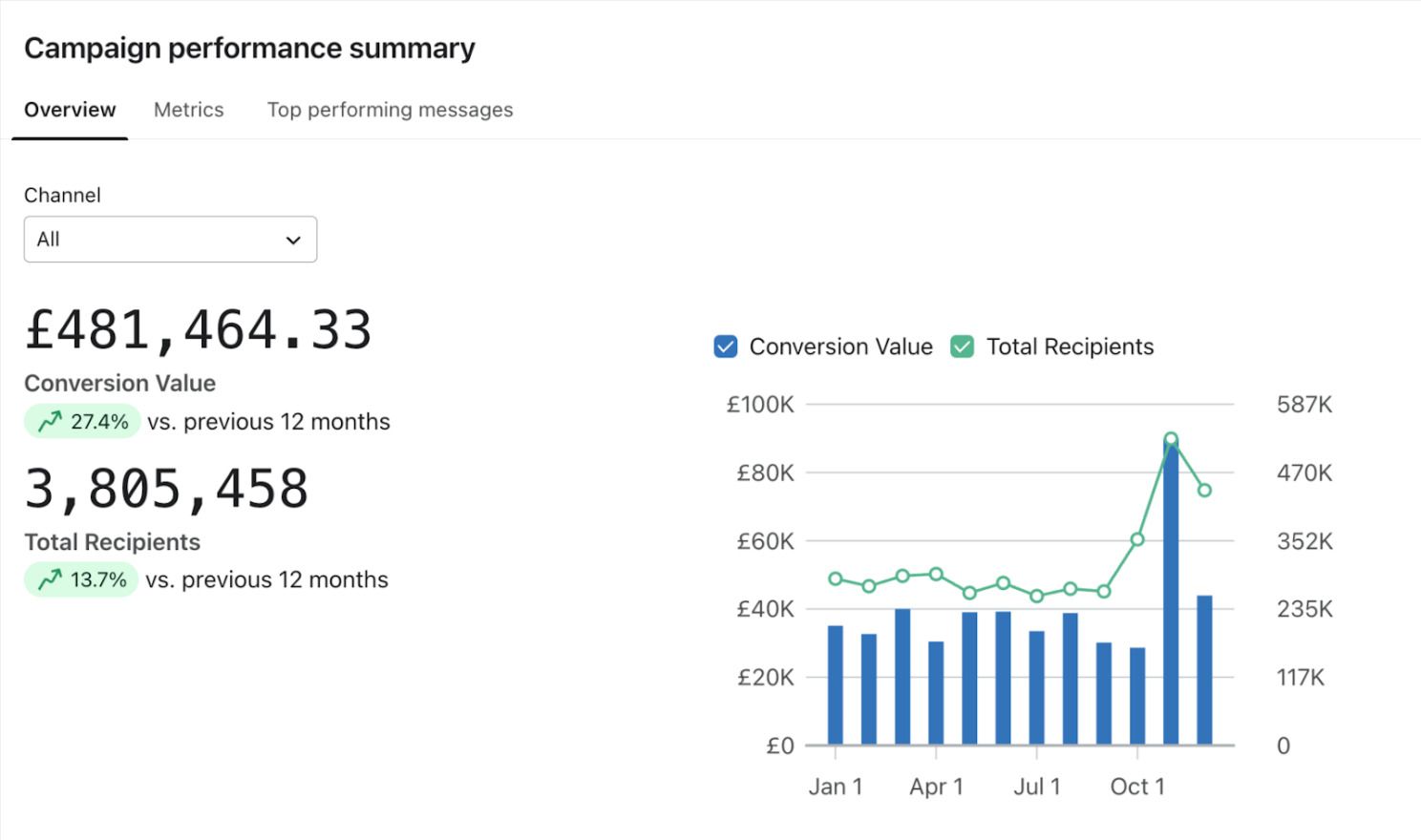
Most brands don’t send enough messages because they worry about annoying customers. In reality, audiences are already desensitized to volume. The average person receives well over 100 emails a day. Sending four emails a week instead of two rarely changes sentiment, but it often changes revenue. One of the first things we do when taking over a DTC account is simply send more. It’s not complicated, and there’s almost always a direct correlation to increased revenue.
Retarget people who don’t purchase
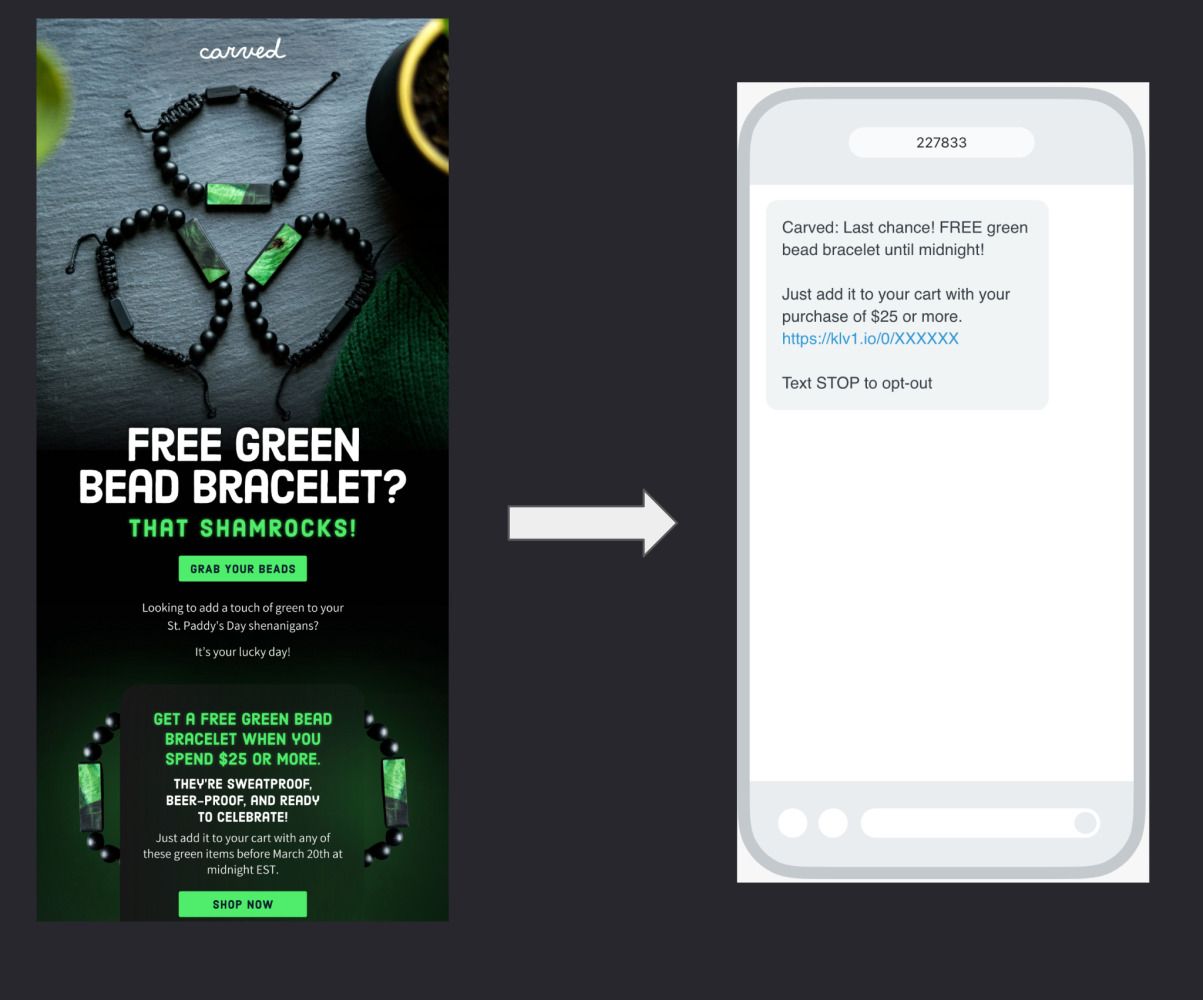
If someone clicks an email or SMS but doesn’t convert within 24 hours, the intent was there. The timing wasn’t. Life gets busy. A reminder helps. Executed consistently, this tactic alone can lift sales campaign performance by 10–20%.
Expand your channel targeting
Most brands rely too heavily on email to scale retention, but email-only programs hit diminishing returns quickly. Engagement tends to drop after the first 60 days. Stronger retention programs build channels in parallel from day one. That means SMS in North America, WhatsApp in the EU and UK, and eventually direct mail for winning back historically high-LTV customers who’ve gone cold everywhere else.
You can’t scale lifecycle marketing with a single channel. Omnichannel isn’t a nice-to-have. It’s a necessity.
All of these problems have straightforward solutions: more touchpoints, across more channels.
If you’re curious how much revenue might be leaking from your current retention setup, I’ll put together a 90-day retention roadmap in under 48 hours.
Interesting reads this week
A few things that caught our eye:
That’s it for this week.
If you’re wanting to talk Shop(ify), you know where to find us.
See you next week.
 | Hi, I’m Cam. I write about what’s happening across the Shopify ecosystem and share stories as Platter builds world-class Shopify stores. If you ever want to chat about your store, reply anytime or find me on LinkedIn. |